
$59.99

Limited Time Offer: Receive your special introductory 50% OFF discount when you order now!
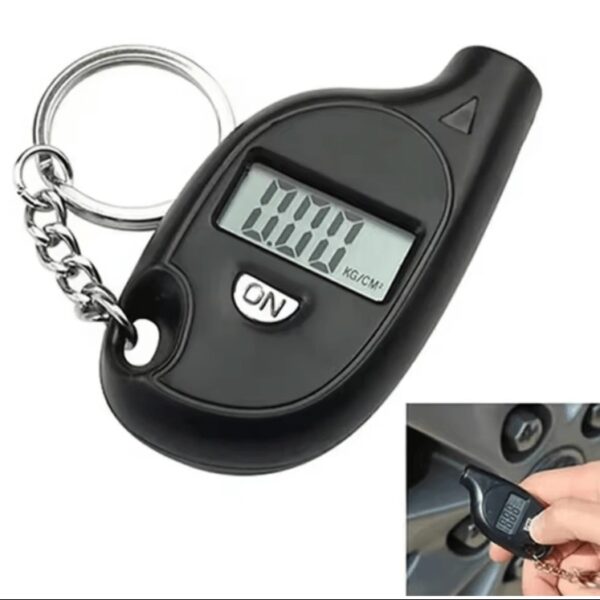
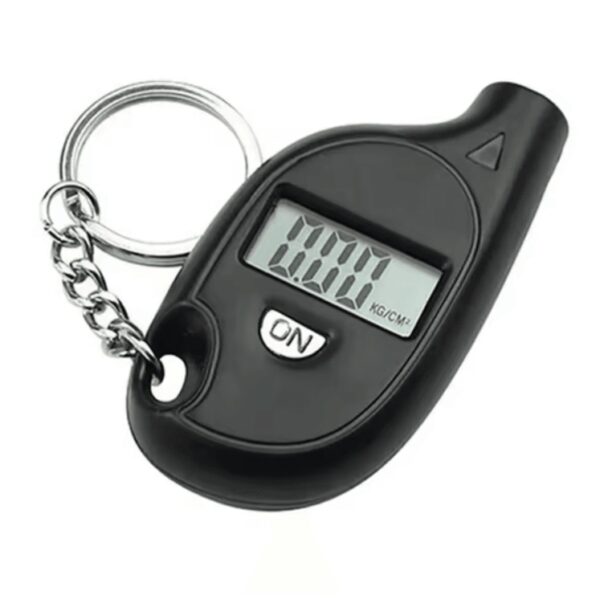
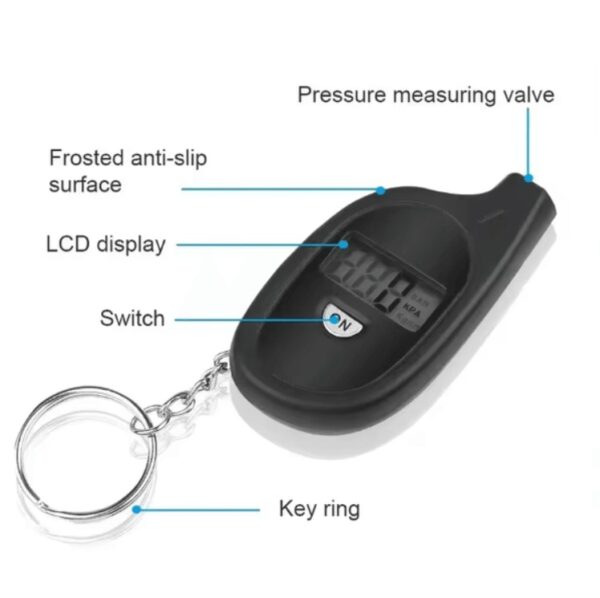
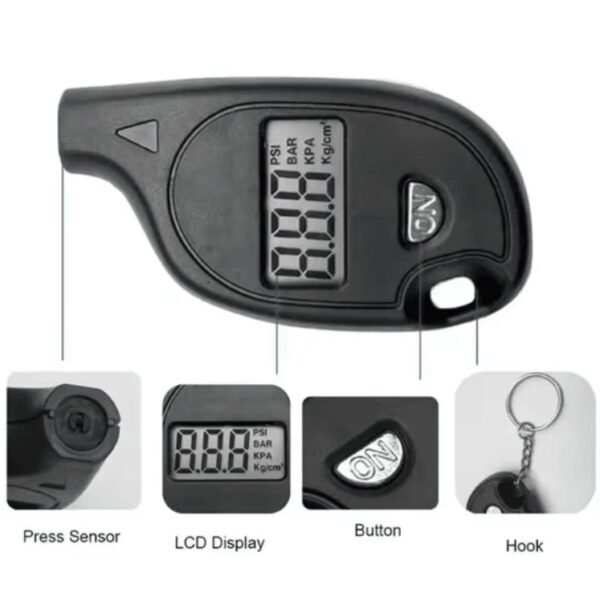
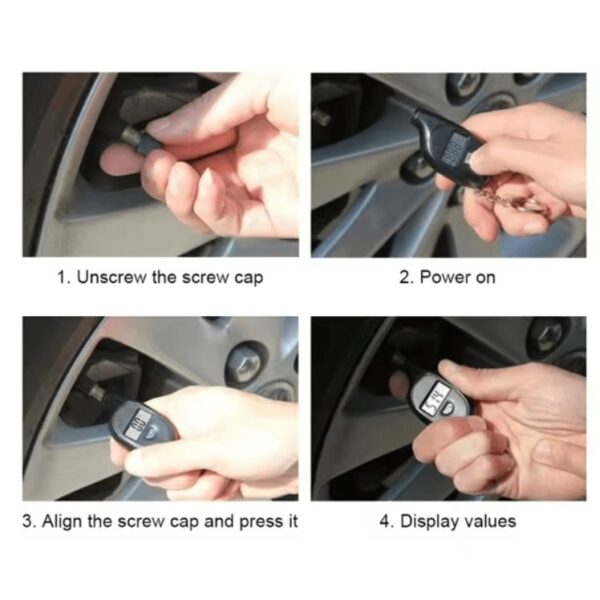

No more squinting or second-guessing. The backlit LCD screen displays your tire pressure in crisp, easy-to-read digits the moment you press it to the valve. See exactly what's going on with your tires in under 3 seconds—whether you're checking in bright sunlight or a dimly lit garage. The numbers are big enough to read at a glance, so you'll never miss a low tire again.
One gauge handles both your daily commute car and your weekend bike. The valve connector fits standard Schrader valves found on nearly every passenger vehicle and motorcycle, so there's no need to buy separate tools. Toss it in your car's glove box or your bike's saddlebag—it's ready whenever you need it, no matter what you're driving.
Never checked tire pressure before? No problem. Just press the nozzle firmly onto the valve stem and the reading pops up instantly—no buttons to push, no settings to adjust. There's nothing complicated about it. If you can pump gas, you can use this gauge. Even teens learning to drive or anyone new to vehicle maintenance will figure it out in seconds.
Properly inflated tires grab the road exactly as they're designed to. When your tire pressure is spot-on, the rubber makes full contact with the pavement—giving you maximum traction when you hit the brakes. Underinflated tires flex too much and overinflated ones lose contact area. Both scenarios make stopping distances longer and emergency braking less effective. Checking your pressure regularly keeps your tires in the sweet spot where they stop you fastest when it matters most.

Superb Quality
Our products are crafted with premium components to ensure superior quality and long-lasting durability.

No-Hassle Returns
If you are not satisfied with your product, you can return it within 30 days of purchase for a full refund.

Quick Delivery
Get your product delivered straight to your home. It’s simple to use and requires virtually no set up!

Your purchase on this site is 100% secure as we use security protocols that ensure complete reliability, secrecy, and confidentiality of your data. Our SSL certificate ensures that there is no room for intruders to invade, meaning your data is always protected when you shop with us!
Check at least once a month and before any long road trip. Tires naturally lose about 1-2 PSI per month, and temperature changes can swing pressure by 1 PSI for every 10°F shift. If you notice your car pulling to one side or your steering feels off, check immediately. Many drivers also do a quick check every time they fill up with gas—it only takes two minutes for all four tires.
Yes, add air soon. While 3 PSI under won't cause immediate danger, you're already in the range where fuel economy drops and tire wear accelerates. If you're just running errands around town, you can wait a day or two. But if you're heading on the highway or carrying extra passengers and cargo, definitely inflate to the recommended pressure first. Underinflated tires heat up faster at highway speeds.
Absolutely. The LCD works fine in cold temperatures. Just remember that tire pressure drops in winter—you might see readings 3-5 PSI lower than in summer for the same tire. That's normal physics, not a gauge error. Cold air is denser, so you'll need to add air more frequently during winter months to maintain proper pressure.
Perfect for teen drivers. There are no complicated steps—just press and read. Teaching your teen to check tire pressure before driving builds responsible habits. It's much simpler than parallel parking, and it's a skill they'll use for life. Many parents keep one of these in their teen's car specifically so they can check their own tires without nagging.
Atmospheric pressure changes with elevation, but your tire pressure stays relatively constant. What you'll notice is that tires inflated at sea level might read slightly higher in the mountains due to the lower outside air pressure—but this is a display difference, not a real pressure gain. The key is to set your pressure at the elevation where you do most of your driving. If you live in Denver and vacation at the beach, check and adjust when you get home.
Absolutely, and you should. Spare tires often require higher pressure than regular tires—typically 60 PSI for donut spares. Many people discover their spare is flat only when they need it. Check your spare every 3-6 months. The valve is usually accessed through a hole in the trunk or under the vehicle, and your gauge works exactly the same way on it.
Digital gauges stay accurate for years if stored properly. To test it, compare your readings with a brand new gauge at an auto parts store (they often have demo units) or against a freshly calibrated gauge at a tire shop. If your readings are within 1-2 PSI, you're fine. Avoid dropping it or leaving it in extreme heat (like a closed car in summer), which can affect accuracy over time.