
$59.99

Limited Time Offer: Receive your special introductory 50% OFF discount when you order now!
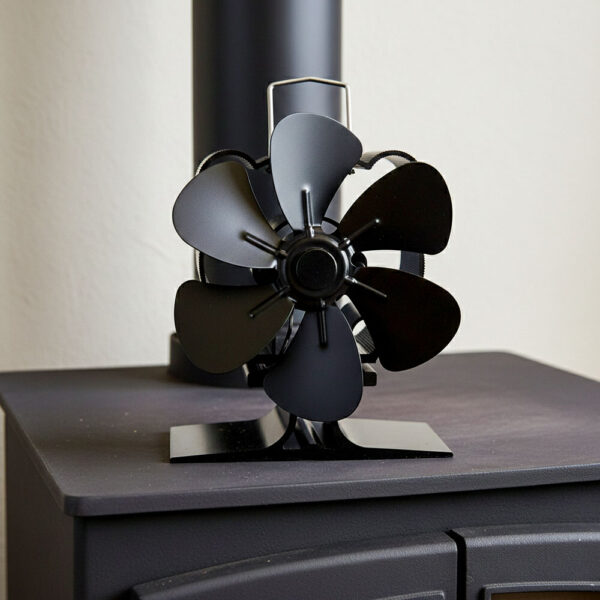
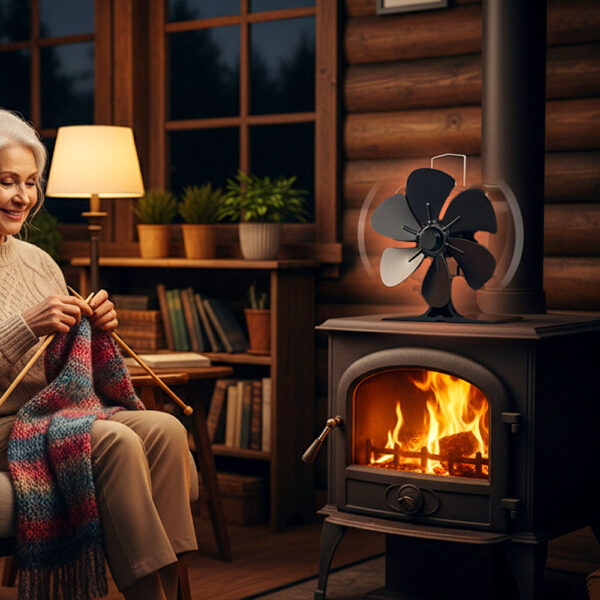

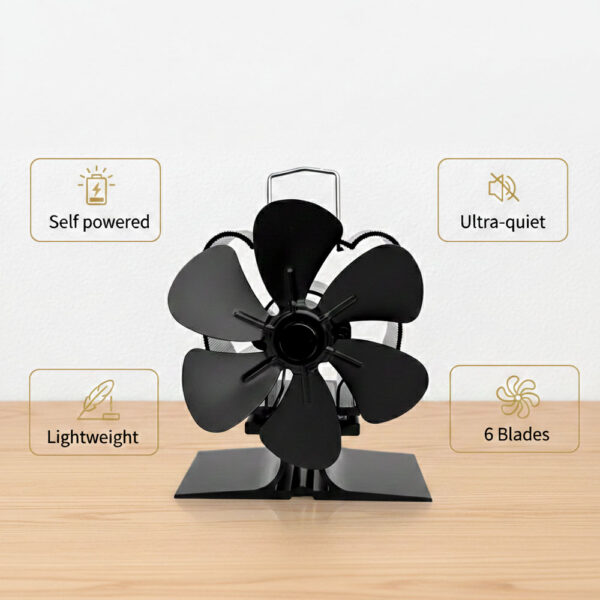
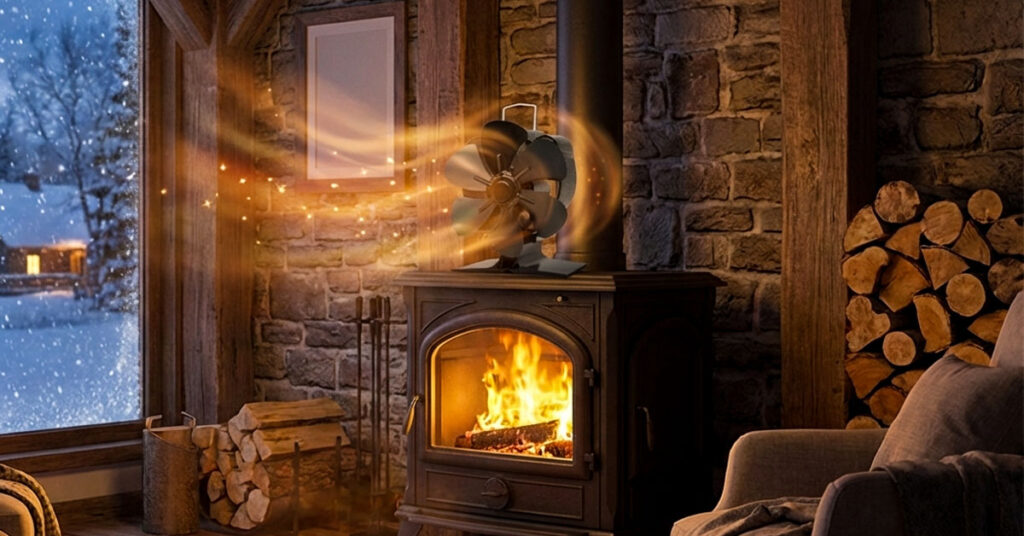
No cords, no batteries, no electric bills. This clever fan runs entirely on the temperature difference between your hot stove and the cooler air around it. The hotter your stove burns, the faster it spins—it's pure thermodynamics at work. Just place it on top of your wood stove or fireplace, and watch it come to life as the heat rises. It's like having a free heating assistant that never stops working as long as the fire's going.
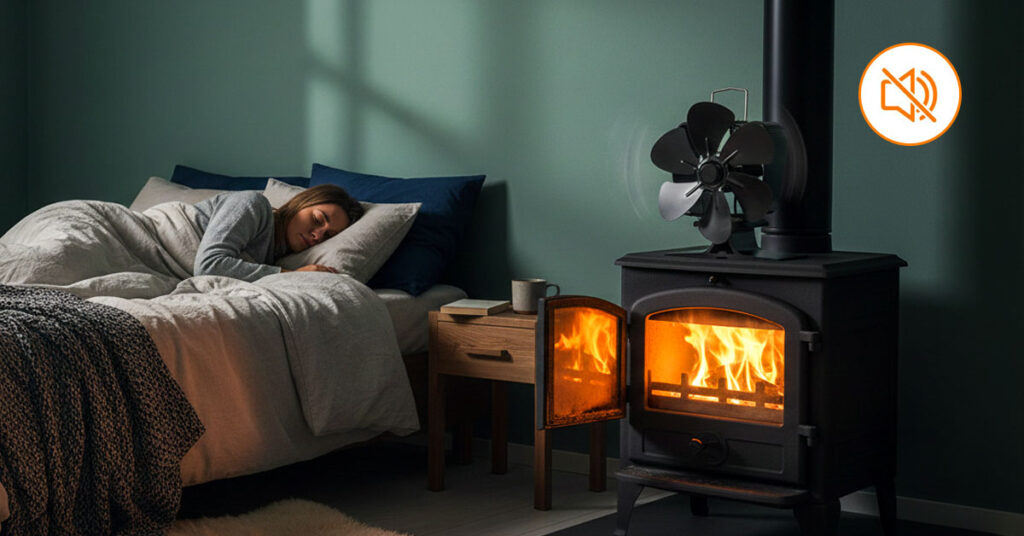
Forget the hum and rattle of electric fans. This heat-powered fan glides so quietly you'll barely know it's there. No motor noise, no annoying buzzing—just smooth, silent circulation that lets you enjoy the crackling of your fire and the peace of your space. Whether you're reading, sleeping, or simply relaxing by the warmth, the only sound you'll hear is the comforting ambiance of your stove.
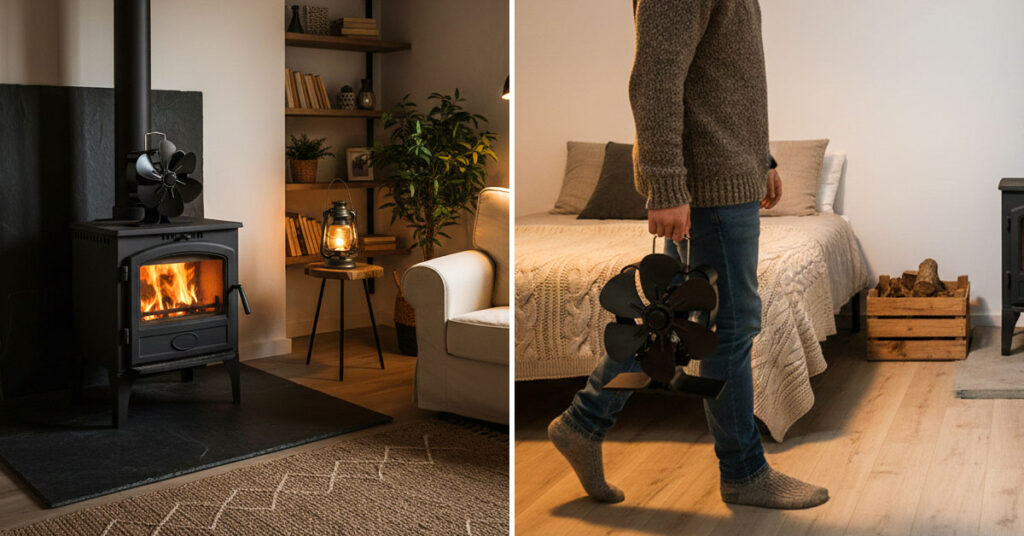
Move it wherever warmth is needed most. This compact fan weighs just enough to stay stable on your stove but light enough to carry from room to room with ease. Heading to the bedroom for the night? Take it with you. Want to heat the living room during the day? Simply relocate it. There's no unplugging, no rewiring—just pick it up and go. It adapts to your heating needs throughout the day.
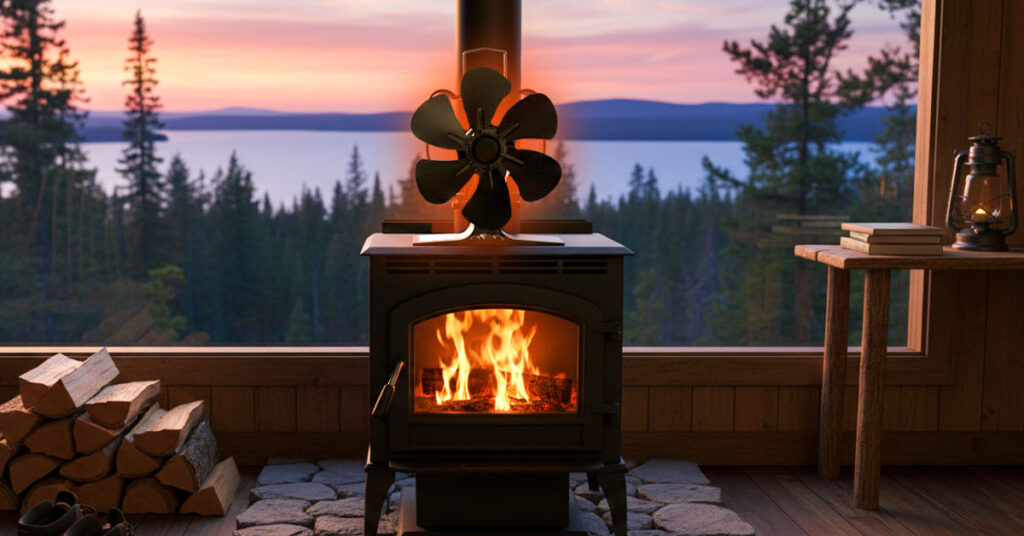
Built for places where electricity isn't guaranteed or simply not wanted. If you're living off the grid, spending weekends at a remote cabin, or just prefer a simpler, more sustainable lifestyle, this fan fits right in. It doesn't draw a single watt from your solar panels or generator, leaving that precious power for what really matters. It's the kind of practical tool that makes rustic living more comfortable without compromising your independence.

Superb Quality
Our products are crafted with premium components to ensure superior quality and long-lasting durability.

No-Hassle Returns
If you are not satisfied with your product, you can return it within 30 days of purchase for a full refund.

Quick Delivery
Get your product delivered straight to your home. It’s simple to use and requires virtually no set up!

Your purchase on this site is 100% secure as we use security protocols that ensure complete reliability, secrecy, and confidentiality of your data. Our SSL certificate ensures that there is no room for intruders to invade, meaning your data is always protected when you shop with us!
Yes, it works on any heat source with a flat top surface that gets hot enough—wood stoves, pellet stoves, coal stoves, and even some gas stoves. The key is having a stable, flat surface and sufficient heat. Gas stoves sometimes don't get as hot as wood stoves, so the fan may spin slower, but it will still circulate air effectively.
Position it toward the back or side of your stove top, not directly over the hottest part (usually the center where the firebox is). You want it hot enough to run efficiently but not so hot that it damages the internal mechanism. Keep it at least 6 inches away from your stovepipe, and make sure there's nothing blocking the blades. A magnetic thermometer can help you find the sweet spot—aim for the 300-350°F zone.
Yes, as long as your stove itself is safe to run overnight. The fan has no electrical components that could spark or overheat—it simply stops when the stove cools down. Many users run it through the night with a slow-burning fire. Just make sure it's positioned securely and won't get knocked over. The built-in safety mechanism will stop the blades if temperatures get too high, protecting the fan from damage.
The fan is designed with a thermal safety feature. If the base gets too hot (typically above 600°F), the internal mechanism will automatically reduce speed or stop to prevent damage. Once the temperature drops back to a safe range, it will resume normal operation. That said, if you're running a roaring fire and the stove top is glowing red-hot, it's best to move the fan to a cooler spot temporarily or let the fire die down a bit.
Very minimal. Wipe the blades down occasionally with a dry cloth to remove dust buildup—dust can slow the fan slightly. Once or twice a season, check that the blades spin freely and nothing is obstructing the mechanism underneath. There's no oil to add, no filters to replace, and no parts that wear out quickly. Most users find that a quick wipe-down every few weeks is all it needs to keep running smoothly.
At normal operating speed, it's about as quiet as a whisper—around 25-30 decibels. From across a typical room (15-20 feet away), you won't hear it over the ambient sounds of the fire crackling or normal household activity. If you're sitting right next to the stove in complete silence, you might detect a very faint whooshing of air, but it's far quieter than a ceiling fan on low or a refrigerator running.
Absolutely. It starts working whenever your stove reaches operating temperature, whether that's daily or just on the coldest winter weekends. There's no "break-in" period or need for consistent use. Light your fire, wait for the stove to heat up, and the fan will do its job. When the fire dies down and the stove cools, it simply stops until next time. It's perfect for occasional use.