$59.99
Limited Time Offer: Receive your special introductory 50% OFF discount when you order now!


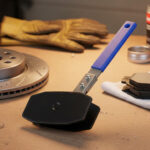
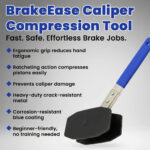
The blue rubberized handle is shaped to fit naturally in your hand, distributing pressure evenly across your palm and fingers. Whether you're working on one caliper or tackling an entire fleet, the ergonomic grip minimizes strain on your wrist and reduces the aching hands that come with traditional brake tools. You'll notice the difference especially on those third and fourth brake jobs of the day.
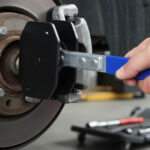
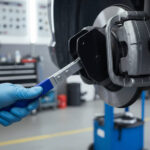
This tool is intuitive enough for first-timers yet efficient for seasoned mechanics. The ratcheting mechanism works just like any standard ratchet you've used before—simply position the spreader plates against the piston and pump the handle. There's no complex setup, no confusing adjustments, and no guesswork. The included instructions are clear and straightforward, plus there are helpful video tutorials available online if you prefer visual guidance. Anyone comfortable changing their own oil can confidently use this tool for brake work.
The ratcheting mechanism gives you graduated, controlled compression instead of forcing the piston back all at once. This measured approach prevents you from cracking caliper housings, damaging seals, or cross-threading pistons—mistakes that turn a simple brake job into an expensive caliper replacement. The tool applies even pressure across the piston surface, mimicking the way brake fluid would naturally push it out, just in reverse.
Made from hardened metal alloy, this tool handles the intense pressure required for stubborn pistons without bending, warping, or developing stress fractures. Professional mechanics who use it daily on heavy trucks and commercial vehicles report the same solid performance months later. The reinforced pivot points and thick metal construction mean it won't fail you mid-job, even when dealing with corroded pistons that refuse to budge.
Superb Quality
Our products are crafted with premium components to ensure superior quality and long-lasting durability.
No-Hassle Returns
If you are not satisfied with your product, you can return it within 30 days of purchase for a full refund.
Quick Delivery
Get your product delivered straight to your home. It’s simple to use and requires virtually no set up!
Your purchase on this site is 100% secure as we use security protocols that ensure complete reliability, secrecy, and confidentiality of your data. Our SSL certificate ensures that there is no room for intruders to invade, meaning your data is always protected when you shop with us!
The ratcheting leverage gives you significant mechanical advantage for stubborn pistons. However, if a piston is completely seized due to corrosion, no compression tool will fix that—the caliper needs rebuilding or replacement. Try spraying penetrating oil around the piston seal and letting it sit overnight. If it still won't budge with this tool's leverage, you're dealing with a seized caliper that needs professional attention.
No, that's one of the big advantages. You can compress the piston with the caliper still mounted. Just remove the old brake pads, position the tool's plates against the piston, and ratchet it back. This saves you from disconnecting the brake line and bleeding the system afterward. However, make sure you have enough clearance to operate the handle—some tight engine bays might require slightly angling the tool.

Compress until the piston is flush with or slightly recessed into the caliper housing. You need enough clearance to fit the new, thicker brake pads over the rotor. The ratchet mechanism lets you check your progress—just release the tension, look at the gap, and continue if needed. Don't over-compress trying to push the piston all the way to the back; flush with the housing is your target.
A slight amount of play in the pivot mechanism is normal and doesn't affect performance. However, if the handle wobbles significantly or the ratchet slips under pressure, check the pivot bolt for tightness. The tool experiences high stress during compression, so periodic checking of connection points is good practice. If the ratchet mechanism itself is slipping, that indicates wear and the tool may need replacement.
Yes, as long as the brake system uses standard piston calipers. Many sport bikes and larger ATVs have brake systems similar to cars. The adjustable design accommodates the smaller piston sizes found on powersports vehicles. Just be extra careful with the smaller, more delicate caliper housings—use smooth, controlled compression rather than forcing it.
After each use, wipe off any brake fluid, grease, or dirt with a clean rag. Brake fluid can degrade the blue coating over time if left on. Store it in a dry place to prevent rust. Occasionally apply a drop of machine oil to the ratchet mechanism and pivot points to keep them moving smoothly. Avoid using harsh solvents that might damage the protective coating.
Yes, this is actually more beginner-friendly than C-clamps or other makeshift methods. The ratchet gives you controlled, gradual compression so you won't accidentally damage anything.