There was a time — not so long ago, really — when stepping into a summer garden meant stepping into a symphony. The steady, warm hum of bees drifting between the foxgloves. The fat bumblebees tumbling over the lavender like tiny, velvet acrobats. It was the sound of a garden that was alive.
Margaret Ellison, 72, remembers it clearly. She remembers her children chasing butterflies through the snapdragons. She remembers warning them not to step on the clover in bare feet because the bees were everywhere — literally everywhere.
But one morning last June, she stood in that same garden with her coffee going cold in her hands, and she realized something that stopped her mid-sip.
She couldn't hear a single bee.
Not one.
The lavender was blooming. The roses were wide open. The garden was beautiful — and completely, heartbreakingly silent.
"I thought maybe it was just the time of day," she said. "So I came back at noon. Then again at 3 o'clock. Nothing. It was like someone had turned the volume off on my garden."
If you've felt that same quiet sadness — if you've looked at your flower beds and wondered where they all went — what happened next in Margaret's story might matter to you more than you expect.
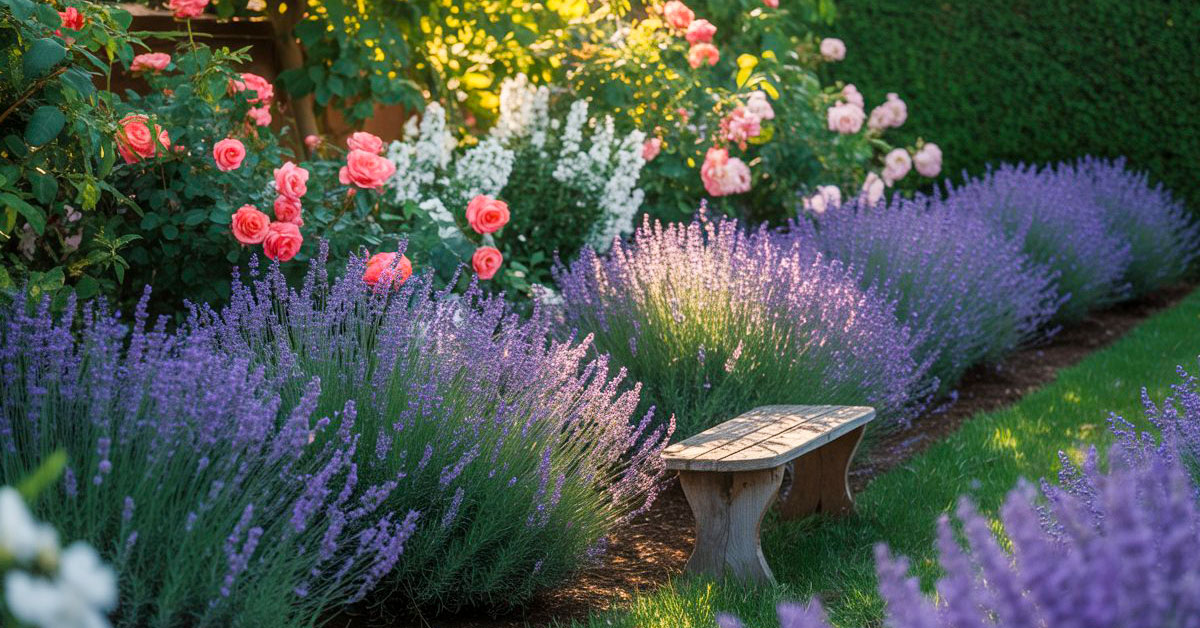
The Silence That 48,000 Gardeners Refused to Accept
Margaret isn't alone. Across the country, lifelong gardeners have been noticing the same unsettling change. Gardens that once buzzed with life from April through October have gone quiet. Vegetable patches that used to produce bushels now struggle to fruit. And the realization hits slowly, then all at once: the bees are disappearing.
The reasons are well documented — habitat loss, pesticides, climate shifts. But there's one cause that gets almost no attention, and it's painfully simple.
Bees are dying of thirst.
Not starvation. Not disease. Thirst.
A honeybee needs water just as urgently as nectar. They use it to cool their hives, feed their young, and dilute stored honey. Without a clean, safe water source, bees become dehydrated and disoriented. They land in birdbaths and drown. They sip from puddles laced with fertilizer runoff. They drink from pet bowls treated with chemicals.
They're not disappearing because they don't want to visit your garden. They're disappearing because your garden doesn't have what they desperately need to survive.
When Margaret's neighbour — a retired biology teacher — explained this to her over the back fence, something shifted.
"She told me, 'Margaret, they need about a teaspoon of clean water. That's it. That's the difference between a bee that lives and a bee that doesn't.' I just stood there thinking — a teaspoon? All this time, it was a teaspoon of water?"
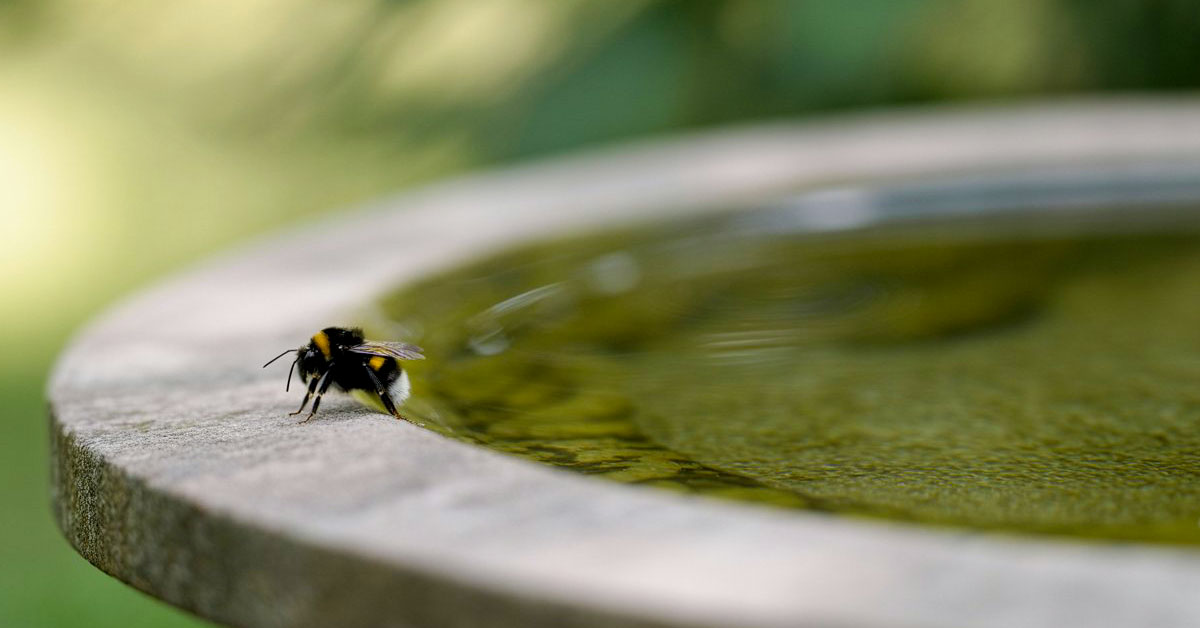
A Teaspoon of Water. That's All It Took.
The problem, as it turns out, isn't that gardeners don't care. It's that the solutions have been all wrong.
Shallow dishes dry out within an hour on a warm day. Birdbaths are death traps for small insects — too deep, too slippery, too contaminated. Saucers collect dirt and bacteria overnight. And leaving a bowl of water in the garden does more harm than good if it becomes a breeding ground for mosquitoes.
What bees actually need is something specifically designed for their tiny bodies. Something that holds exactly the right amount of water — not too much, not too little — in a protected space where it stays clean and doesn't evaporate in the afternoon sun.
That's exactly what the HoneyDrop Bee Drinking Cup was built to do.
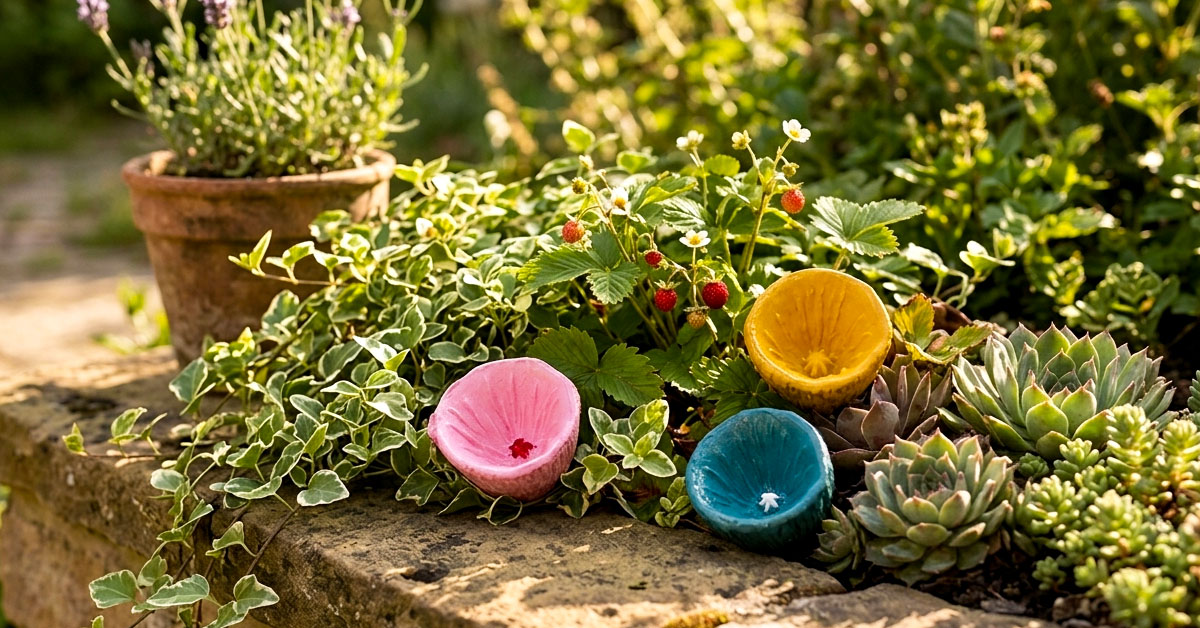
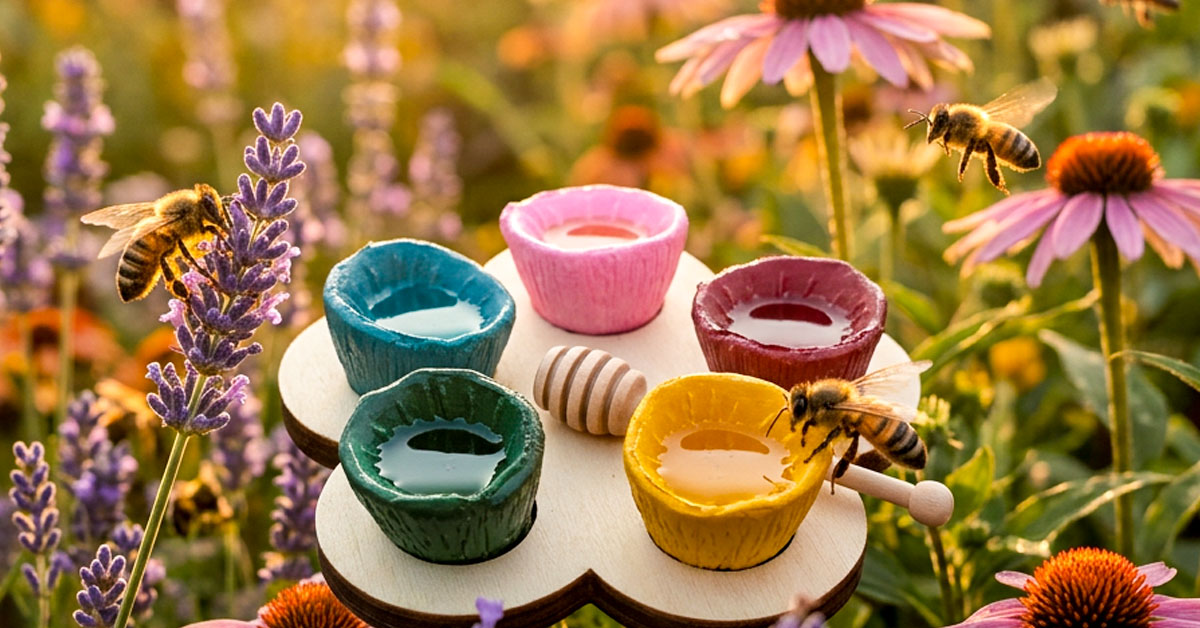
Handcrafted from eco-friendly, durable resin, each HoneyDrop is shaped with a deep, narrow cup that holds precisely one teaspoon of fresh water. The design isn't decorative guesswork — it's intentional. The narrow opening dramatically slows evaporation. The depth prevents contamination from wind-blown debris. And the bright, honeycomb-inspired colours are specifically chosen to be visible to bees, who see colour differently than we do and are naturally drawn to vibrant, warm tones.
You don't plug it in. You don't assemble it. You just fill it with clean water, place it near your flowers, and wait.
Margaret didn't have to wait long.
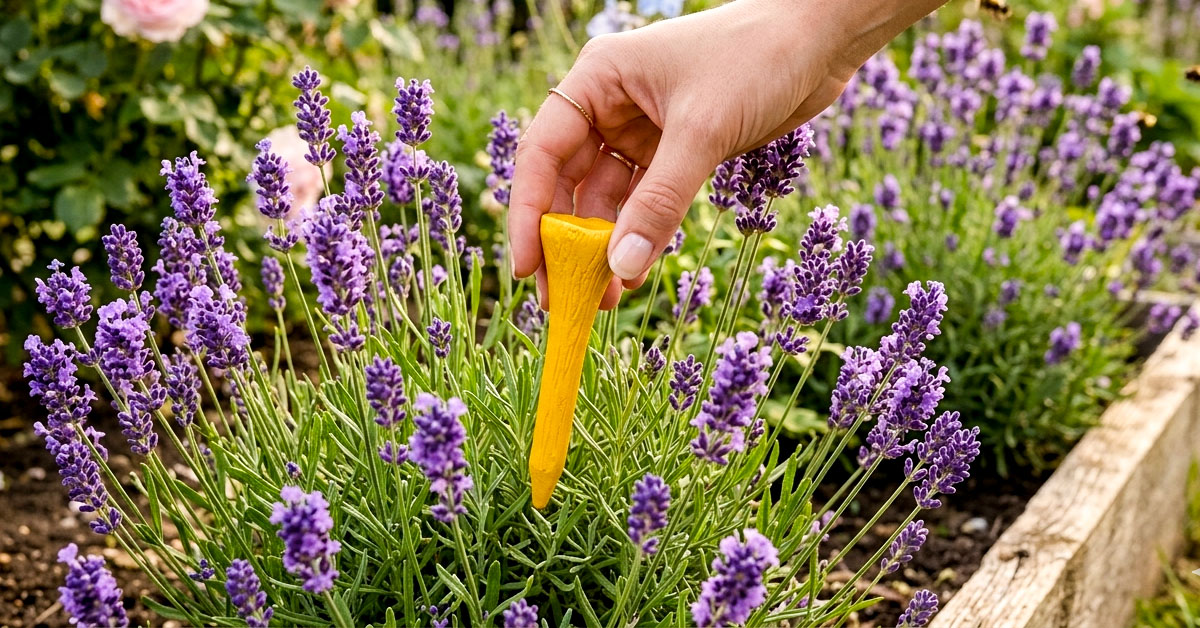
"Within 10 Minutes, I Had My First Visitor"
"I put it right next to the lavender — the spot where the bees used to gather when my kids were little," Margaret recalled. "I filled it with water from the kitchen tap, set it down, and went inside to make lunch."
She glanced out the window 10 minutes later.
A bumblebee — round, fuzzy, and unmistakable — was perched on the rim of the HoneyDrop, drinking.
"I actually cried," she admitted. "I know that sounds silly. It's a bee. But it felt like something I'd lost had come back. Like the garden remembered what it was supposed to be."
Over the next few days, that single bumblebee became 2. Then 5. Then she started seeing mason bees — the small, dark ones she hadn't spotted in years. A carpenter bee showed up the following week. By mid-July, her garden was humming again.
Not roaring. Not overwhelmed. Just... humming. The way it used to.
"My granddaughter visited in August and said, 'Nana, your garden sounds like a garden.' She's 8. She'd never heard it like that before."
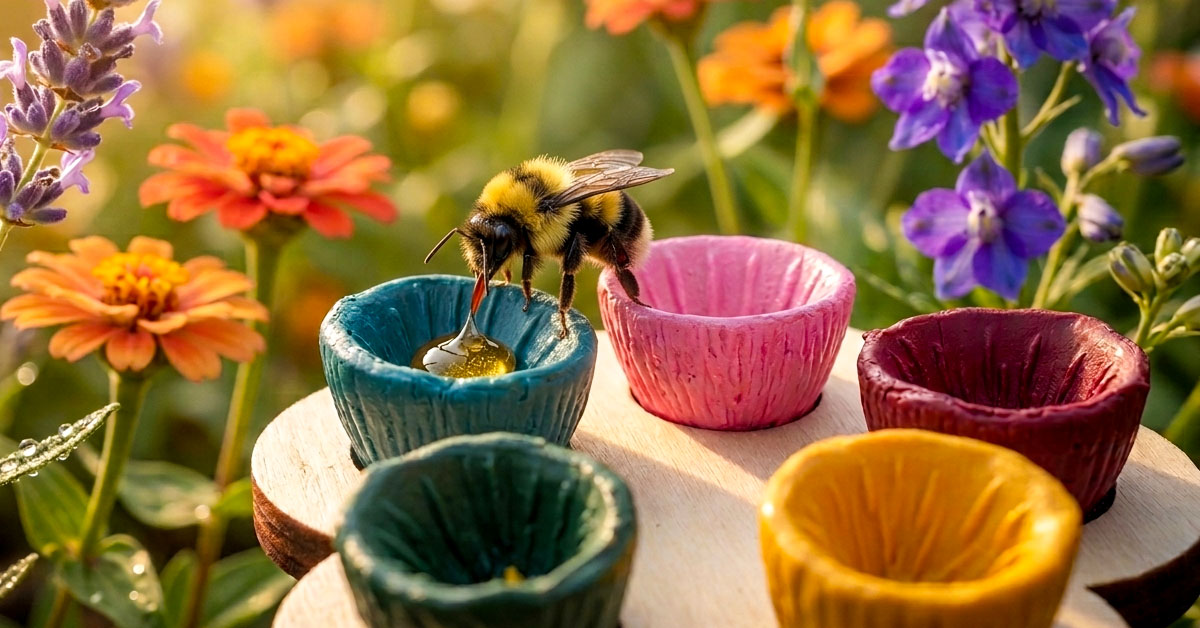
Why a Teaspoon-Sized Cup Works Better Than Anything Else
It seems almost too simple to be real. A tiny resin cup filled with water — how could that make a difference?
But simplicity is exactly the point. And the science backs it up.
The depth prevents drowning. Bees can reach the water without falling in. Unlike a birdbath or dish where a bee can slip below the surface and never climb out, the HoneyDrop's proportions are scaled for small pollinators. They can drink safely and fly away.
The narrow opening slows evaporation. A shallow saucer of water on a 28-degree day can dry out completely in under an hour. The HoneyDrop's design keeps water available significantly longer, so bees can find it when they need it — not just in the 45 minutes after you set it out.
The shape discourages contamination. Leaves, grass clippings, pollen dust, and soil particles that quickly foul an open dish have a much harder time entering a deep, narrow cup. The water stays cleaner. The bees stay healthier.
The colours do real work. Bees navigate primarily by sight, and they're powerfully attracted to bright, warm-spectrum colours. The HoneyDrop's vibrant design isn't just cheerful for the gardener — it's a beacon for pollinators scanning your garden from above.
And because each cup is handcrafted from weather-resistant resin, it holds up through rain, sun, and frost. No cracking. No fading. Season after season, it simply sits in your garden and does its quiet, important job.
You Don't Need a Big Garden. You Don't Even Need a Garden.
One of the most common misconceptions about helping pollinators is that you need acres of wildflower meadow to make a difference. You don't.
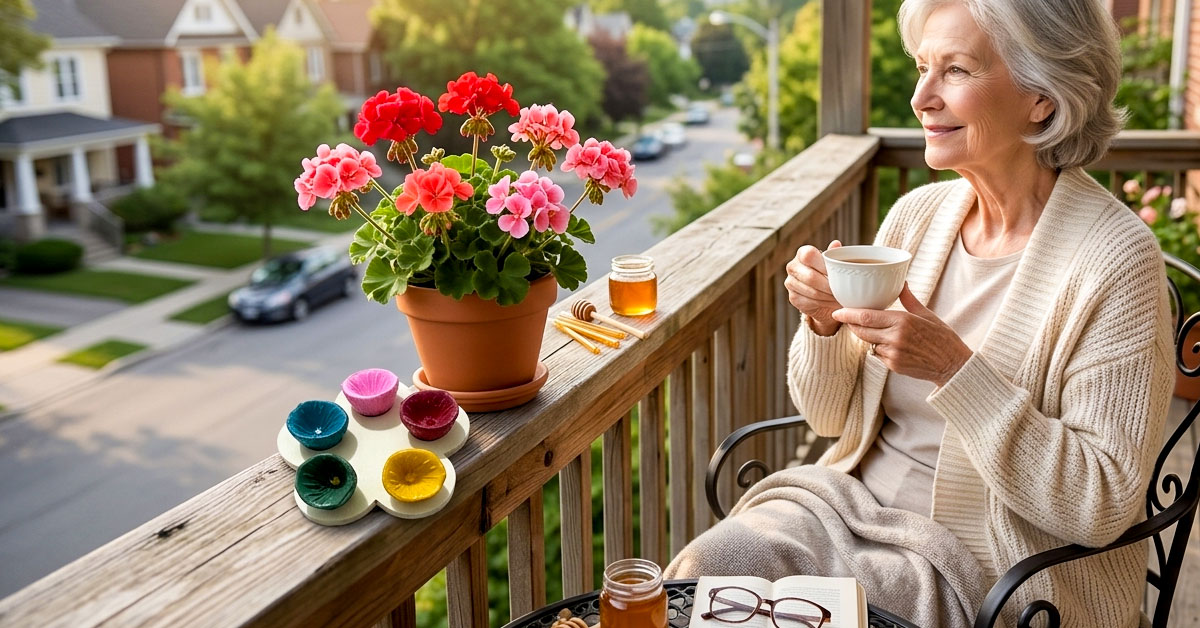
A single HoneyDrop on a balcony railing can serve every bee within flying distance. One cup tucked beside a window box of herbs gives carpenter bees a reason to visit — and to keep visiting. A patio table with a HoneyDrop next to a pot of marigolds becomes a pollinator station without any effort at all.
Apartment balcony? Works beautifully.
Small courtyard? Perfect.
Sprawling country garden? Place a few in different spots and watch the whole space come alive.
The HoneyDrop is compact, light, and designed to sit naturally in any outdoor space. There's nothing to install, nothing to maintain beyond refilling the water every day or two, and nothing that looks out of place among your flowers and greenery.
Several of the 48,000 people who've already placed HoneyDrops in their outdoor spaces have reported something unexpected: they started spending more time outside. Not because the cup is fascinating to look at — but because watching the bees return is.
"I take my morning tea on the patio now," one verified reviewer wrote. "Just me and the bees. It's the most peaceful part of my day."
The Gift That Means Something Real
There are only so many candles, scarves, and boxes of chocolate a person can receive before gifts start feeling like obligations. The HoneyDrop is something different.
It's a gift that says: I know you care about your garden. I know you've noticed the bees are gone. Here's something that actually helps.
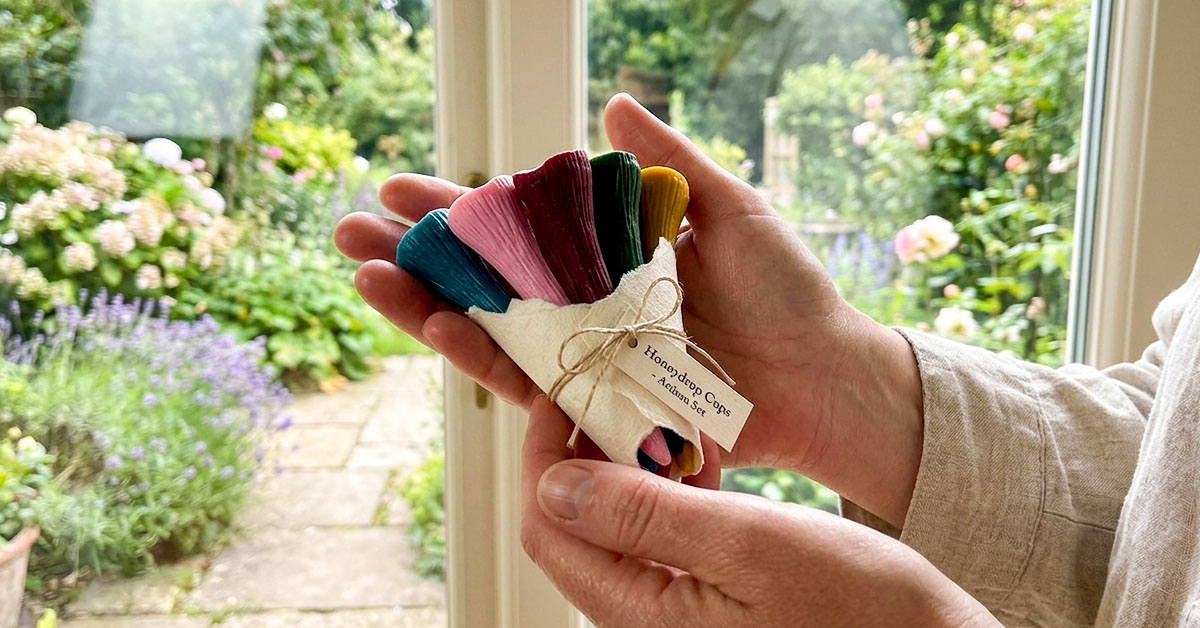
Gardening friends love it. Nature-loving grandchildren think it's wonderful. And for anyone who's ever stood in a quiet garden and felt that wordless ache of something missing, unwrapping a HoneyDrop feels less like receiving a product and more like receiving a small act of hope.
It arrives ready to use — no assembly, no instructions longer than a sentence. Fill it. Place it. Watch what happens.
Margaret bought 4 more after that first week. One for her sister. One for her neighbour. Two for friends at her gardening club.
"Every single one of them called me within a few days to tell me the bees came," she said. "Every single one."
What 1,840 Verified Reviews Keep Saying
Across nearly 2,000 verified reviews, certain phrases come up again and again:
"I can't believe something so simple actually works."
"The bees found it the same day I put it out."
"My garden hasn't sounded like this in years."
"I wish I'd known about this sooner."
The consistent theme isn't about the cup itself — it's about what the cup brings back. The sound. The movement. The feeling that your little patch of earth is part of something larger and more alive than just flowers and soil.
The HoneyDrop carries a 30-day money-back guarantee with no questions asked, no restocking fees, and no forms to fill out. Every order ships within 24 hours. And every cup is backed by the kind of confidence that only comes from a product that 48,000 customers have already trusted.
There is no risk here. Only the chance to hear your garden hum again.
It Starts With One Teaspoon of Water
The bees haven't forgotten your garden. They haven't moved on permanently. They're still out there — flying over your lavender, circling your roses, searching for what they need to survive.
They just need a safe place to drink.
Margaret's garden is proof. So are 48,000 others.
One small cup. One teaspoon of clean water. And the sound of summer comes back.
Special Introductory Offer — Half Off for First-Time Buyers
For a limited time, first-time buyers can get the HoneyDrop Bee Drinking Cup at half the regular price. No promo code needed — the discount is applied automatically at checkout.
Available in Yellow or Multicolor. Ships within 24 hours. Protected by a 30-day, no-questions-asked money-back guarantee with fully encrypted, secure checkout.
Stock is limited, and this offer may end without notice.
👉 Click below to claim your discount and bring the bees back to your garden.
Click the link above to see if HoneyDrop is still offering a 50% off discount.